The heating season in Kazakhstan has traditionally served as a stress test for the country’s entire gas infrastructure. Vast distances, harsh winters and the accelerating pace of regional gasification make the reliability of gas supply a matter of systemic management rather than day-to-day operations.
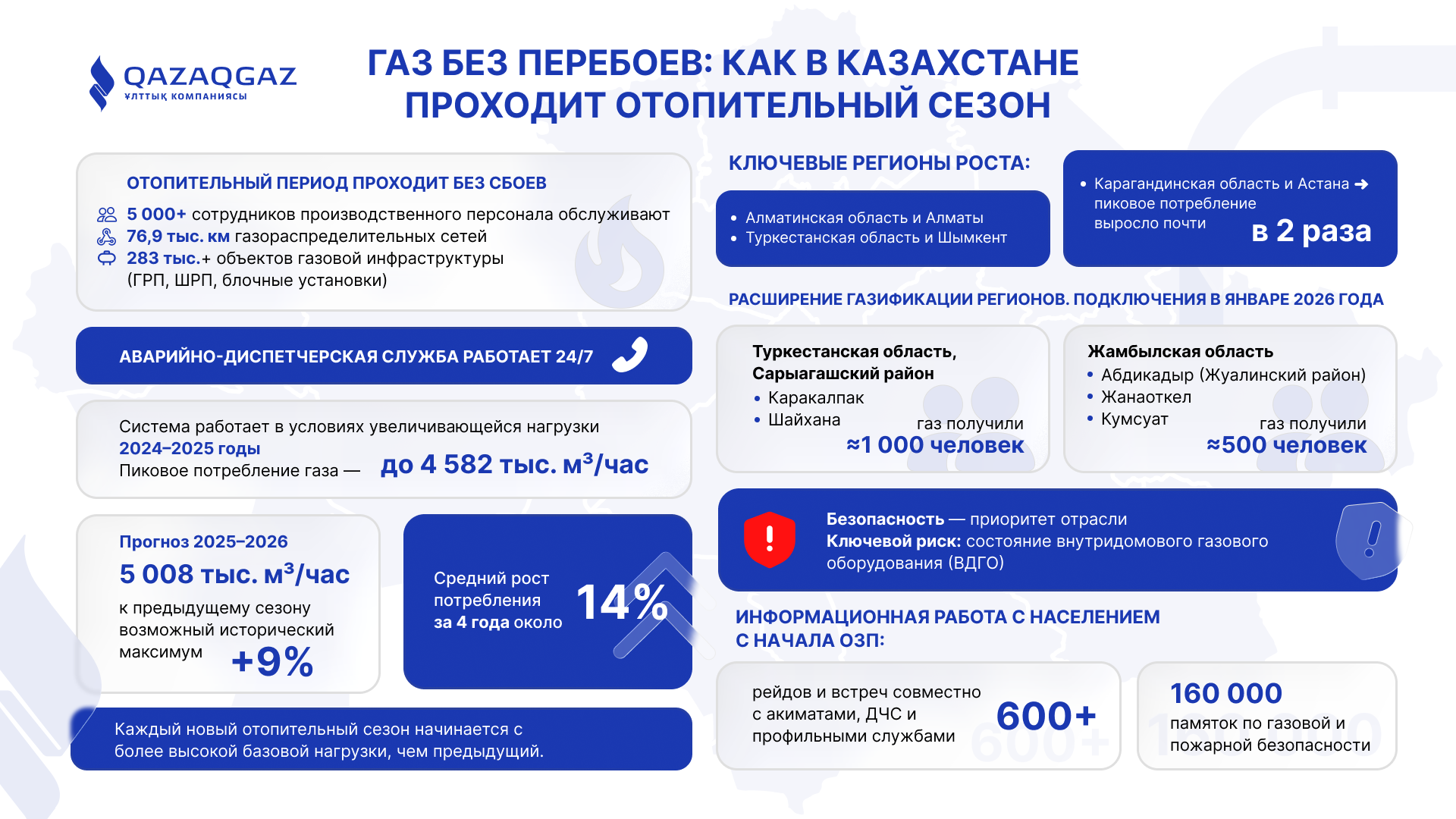
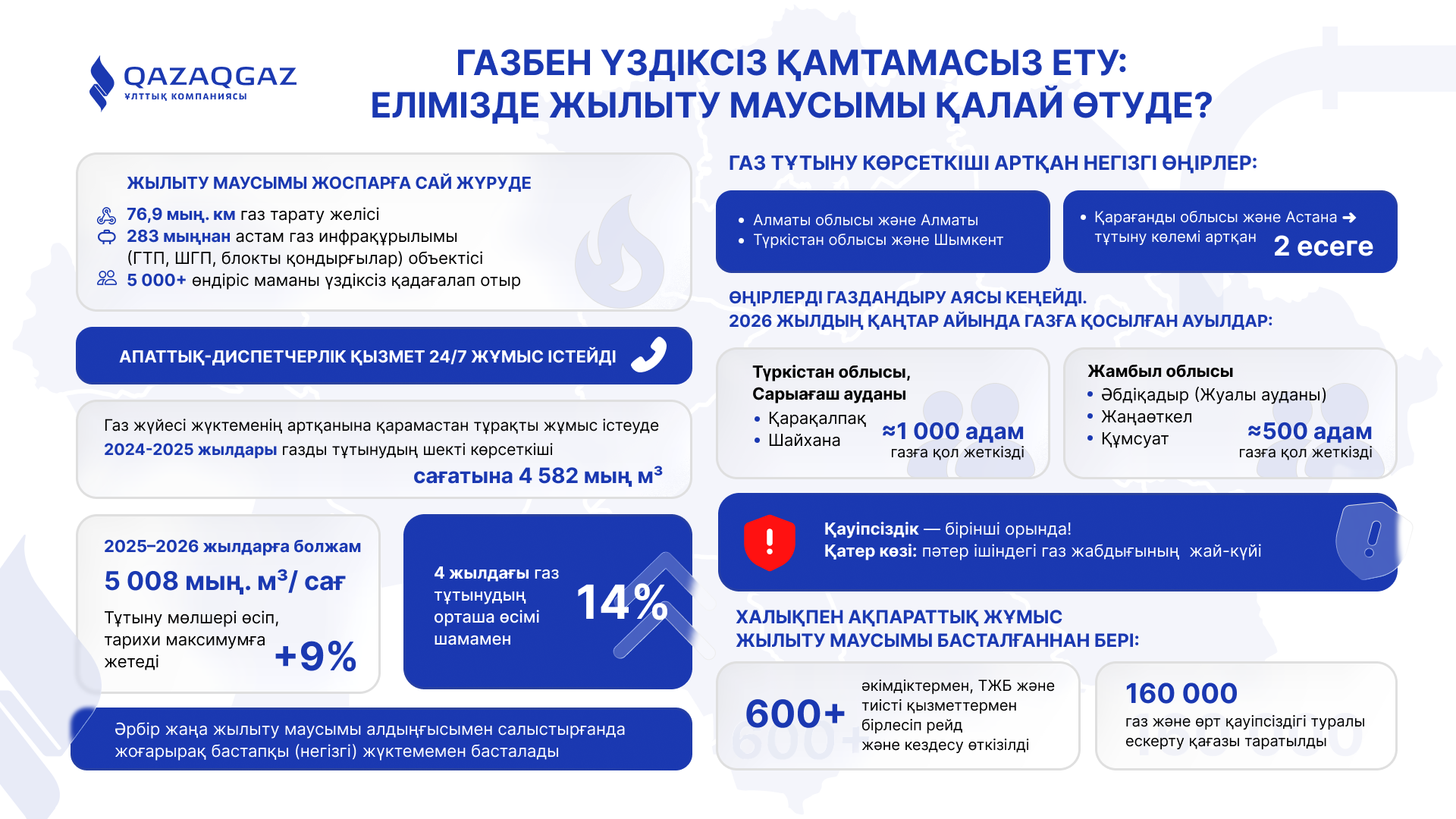
During the current autumn–winter period, gas supply across the country has remained stable. Uninterrupted and safe operations are ensured by more than 5,000 production staff, including round-the-clock emergency and dispatch teams. They are responsible for 76.9 thousand kilometres of gas distribution networks and more than 283,000 gas infrastructure facilities, including gas control points as well as cabinet and block installations.
Sustained Growth in Gas Demand
Peak hourly gas consumption data show that the system is operating under steadily increasing load. Nationwide consumption figures over recent years point to a clear upward trend.
In the 2024–2025 period, gas consumption reached up to 4,582 thousand cubic metres per hour. According to industry specialists, these figures were partly influenced by milder weather conditions.
The 2025–2026 season is already being assessed with a projected load of 5,008 thousand cubic metres per hour—around a 9% increase compared with the previous period. If this forecast materialises, it will mark a new historical peak in Kazakhstan’s gas consumption.
On average, peak demand has risen by around 14% over the past four years, reflecting both the continued expansion of gasification and growing demand in major urban agglomerations.
The largest contribution to growth comes from the southern and south-eastern regions, including Almaty and Almaty Region, Turkestan Region and Shymkent, as well as central parts of the country. Particularly strong increases have been recorded in Karaganda Region and in Astana, where peak consumption levels have almost doubled over the past few years.
For the industry, this points to a simple reality: each new heating season begins with a higher baseline load than the last.
Expanding Regional Gasification
In the final week of January alone, two settlements in the Saryagash district of Turkestan Region—Shaikhana and Karakalpak—were connected to the QazaqGaz Aimaq gas distribution network, providing access to gas for around 1,000 residents. For these households, switching to gas brings not only greater comfort but also tangible environmental benefits for the region.
Gasification efforts are continuing in Zhambyl Region as well. Three settlements—Abdikadyr (Zhualy district), Zhanaotkel and Kumsuat (Zhambyl district)—have been connected to the QazaqGaz Aimaq network, giving approximately 500 more people access to gas.
While these volumes may still appear modest at the national level, it is precisely such connections that underpin long-term, sustainable growth. Each newly connected household expands the base of stable gas consumption and reflects the steady advance of regional gasification. Combined with rising peak loads during the heating season, this highlights the importance of developing the gas distribution system, enhancing its adaptability and systematically strengthening its reliability.
Safety Above All
One of the sector’s persistent challenges remains the condition of in-home gas equipment. Gas services continue to stress the importance of maintenance contracts with certified service providers, a requirement that is often overlooked in practice—particularly in private housing and older residential buildings.
From an industry perspective, this is where the line is drawn between the stable operation of networks and the risk of household-level incidents.
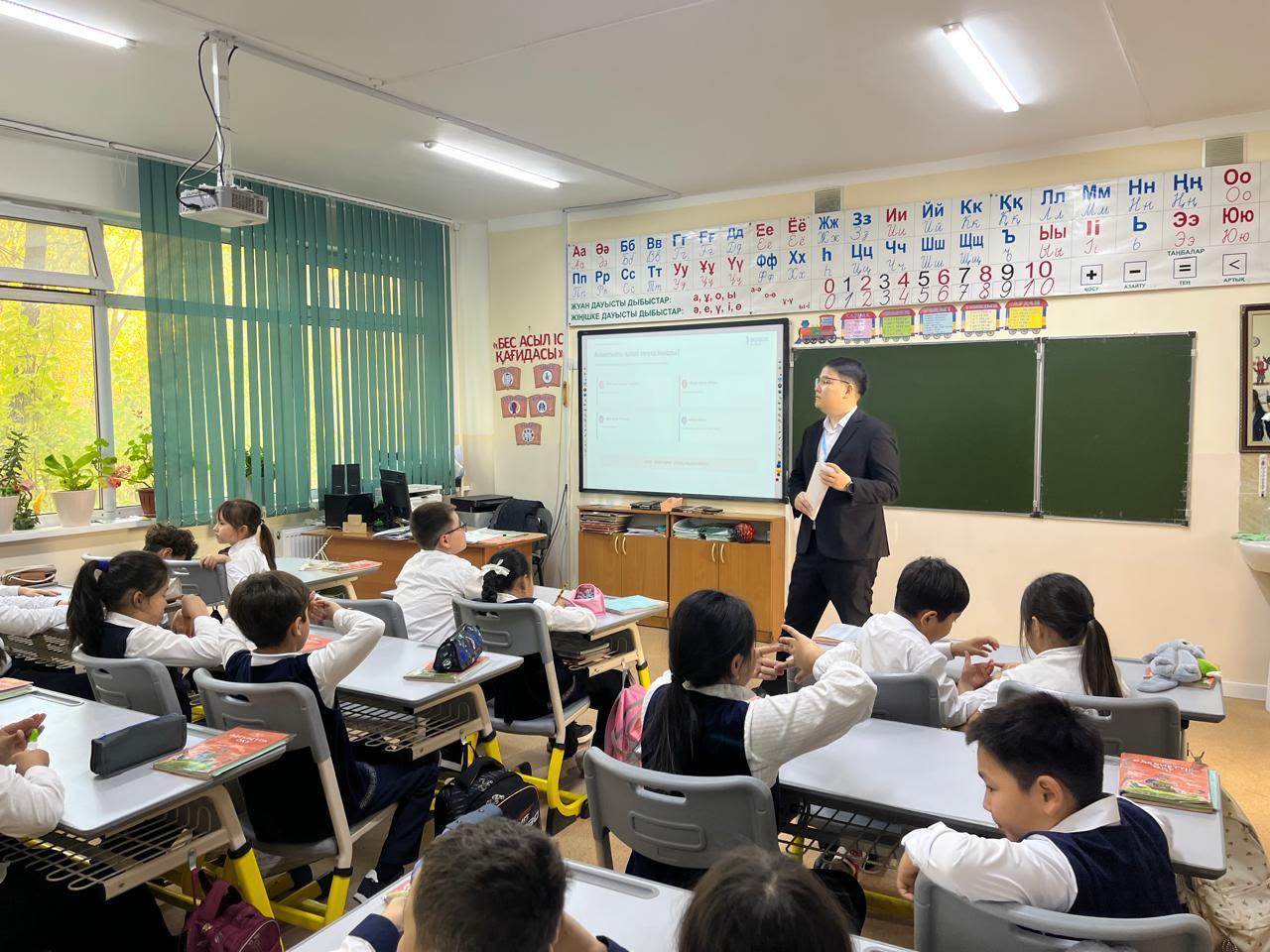
Alongside this, a large-scale public awareness campaign is under way. Since the start of the heating season, more than 600 inspections and community meetings have been conducted jointly with local authorities, emergency services and профильные agencies. Around 160,000 information leaflets on gas and fire safety during the autumn–winter period have been distributed.
The focus of these efforts is on everyday risks, which remain among the leading causes of accidents: faulty equipment, breaches of gas safety rules in the home, and the absence of regular technical maintenance.